
Coffee: the elixir of life, the fuel of mornings, and the centerpiece of cozy café conversations. But have you ever wondered how this magical bean was discovered and how it became the global sensation we know and love today? Let’s take a trip back in time to uncover the origins of coffee and the quirky stories that brought it to our cups.
The Legend of Kaldi and His Dancing Goats
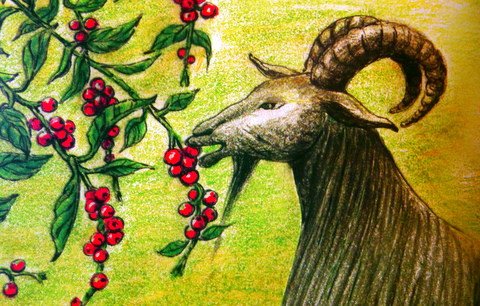
Our journey begins in the ancient highlands of Ethiopia, where scientists believe the first wild coffee plants grew. A popular legend credits a curious goat herder named Kaldi with the discovery of coffee. One day, Kaldi noticed his goats acting unusually lively, dancing and prancing around after munching on bright red cherries from a mysterious shrub. Intrigued, Kaldi tried the cherries himself and felt an invigorating burst of energy.
Kaldi brought these miraculous cherries to a local monastery, where monks experimented by brewing them into a drink. The resulting concoction helped the monks stay awake during long hours of prayer. Word of this energizing beverage spread, and the seeds of coffee culture were planted (pun intended!).
Coffee’s Journey to the Arabian Peninsula
From Ethiopia, coffee eventually made its way across the Red Sea to Yemen, where it truly began to bloom. By the 15th century, Yemeni Sufi monks were cultivating coffee and using it to fuel their late-night dhikr (devotional practices). They called the brew “qahwa,” which originally referred to a type of wine but soon became synonymous with the dark, energizing liquid we know today.
The coffee trade flourished in the Arabian Peninsula, and the port city of Mocha became the epicenter of the coffee world. Yes, the beloved mocha latte owes its name to this historic Yemeni hub! From here, coffee spread to Persia, Egypt, and the Ottoman Empire, captivating hearts (and palates) wherever it went.
Smuggling Beans and Coffeehouses in Europe
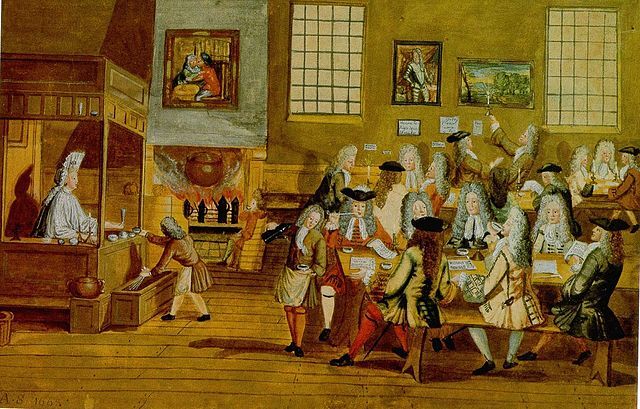
Europe’s love affair with coffee began in the 17th century, thanks to Venetian traders who brought beans from the Middle East. Coffeehouses, often called “penny universities,” popped up across major cities like London, Paris, and Vienna. These establishments weren’t just places to grab a drink; they were vibrant hubs of intellectual exchange where artists, philosophers, and merchants gathered to share ideas over steaming cups of coffee.
But coffee’s journey to global domination wasn’t without drama. In an effort to maintain their monopoly, Arabian traders roasted or boiled all exported beans to prevent them from being cultivated elsewhere. However, the Dutch managed to smuggle live coffee plants out of Yemen, kickstarting cultivation in their colonies in Java (modern-day Indonesia). This marked the beginning of coffee’s expansion into Southeast Asia and beyond.
Coffee’s Leap to the Americas
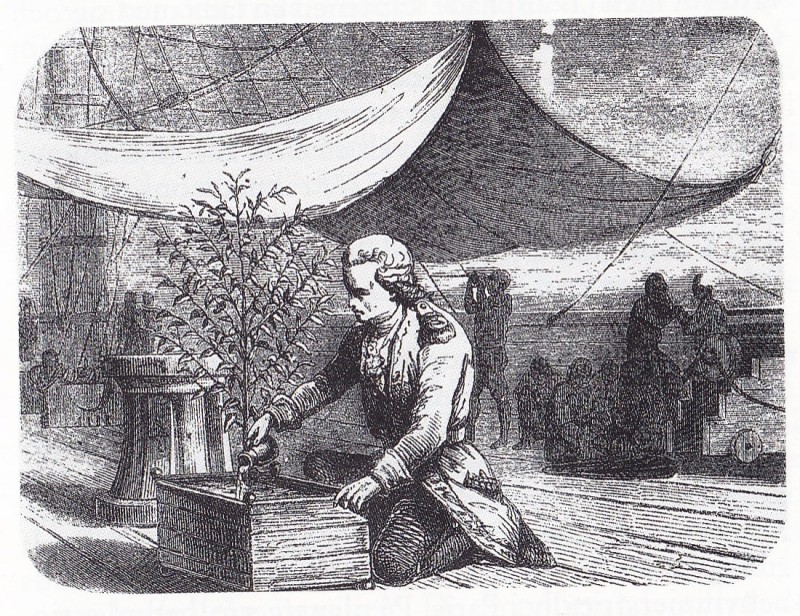
In the 18th century, coffee plants crossed the Atlantic, thanks to European colonial powers. The French introduced coffee to the Caribbean, while the Portuguese brought it to Brazil, which would eventually become the world’s largest coffee producer. Fun fact: a single coffee plant given as a gift to French naval officer Gabriel de Clieu is said to have been the progenitor of Brazil’s entire coffee industry. Talk about a powerful plant!
The Coffee Plant’s Versatility
Beyond the beans we brew, every part of the coffee plant has a story to tell. Early on, people experimented with chewing the cherries, fermenting the pulp into alcoholic beverages, and even using the leaves to make tea. Today, the coffee cherry’s fruit is gaining attention as a byproduct for cascara tea and other sustainable products, proving that coffee is the gift that keeps on giving.
Why We Love Coffee Today
From Kaldi’s curious goats to bustling European coffeehouses and sprawling Brazilian plantations, coffee’s journey is a testament to human curiosity and ingenuity. It’s more than a drink; it’s a culture, a connection, and a constant companion through the highs and lows of life. So the next time you savor your morning brew, take a moment to appreciate the incredible history behind every sip.
Stay caffeinated and curious, coffee lovers!
 cuppabean.com
Leave a comment